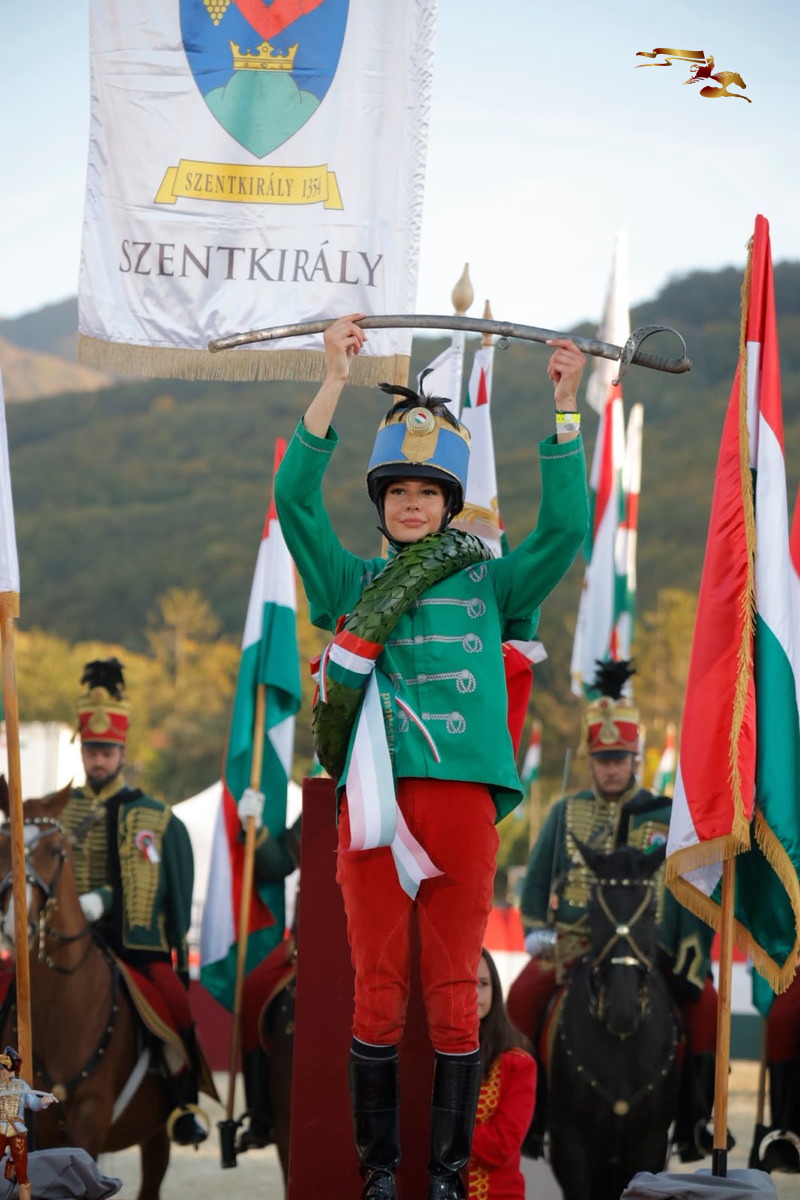
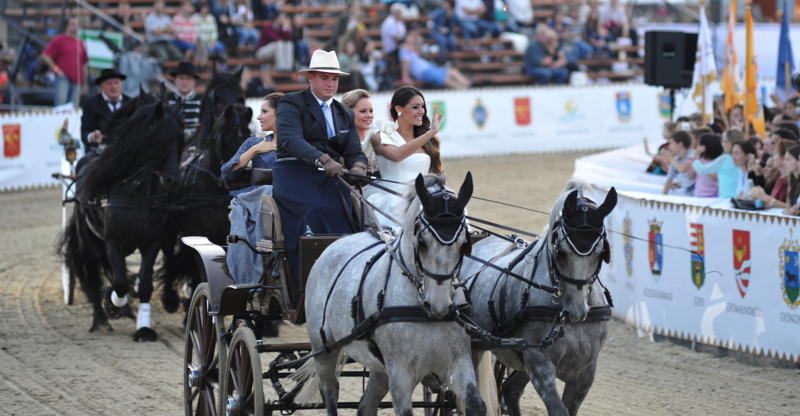
Elegáns hölgyek, lovas sport etikett, szebbnél szebb ruhaköltemények, pompás hintók – a Nemzeti Vágta Lovas dámáinak bemutatója.
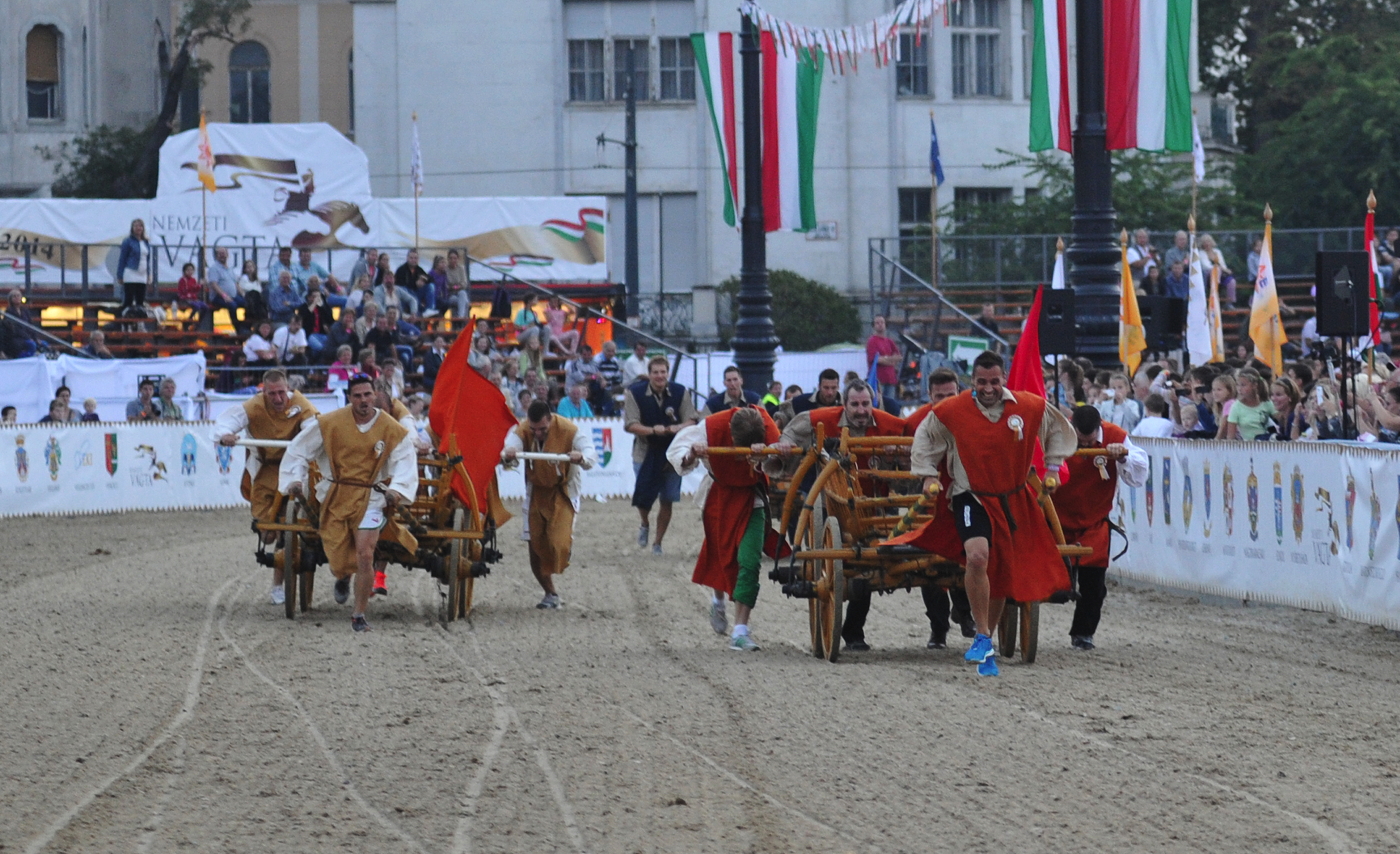
A Nemzeti Vágta idén is megrendezte a már hagyománnyá vált MVM Paksi Atomerőmű Kocsitoló versenyt. Ez egy könnyed, a lovas sporthoz kötődő erőpróba, ahol a versengő csapatok a homokos talajon egy-egy kocsit igyekeznek elvonszolni a célig…
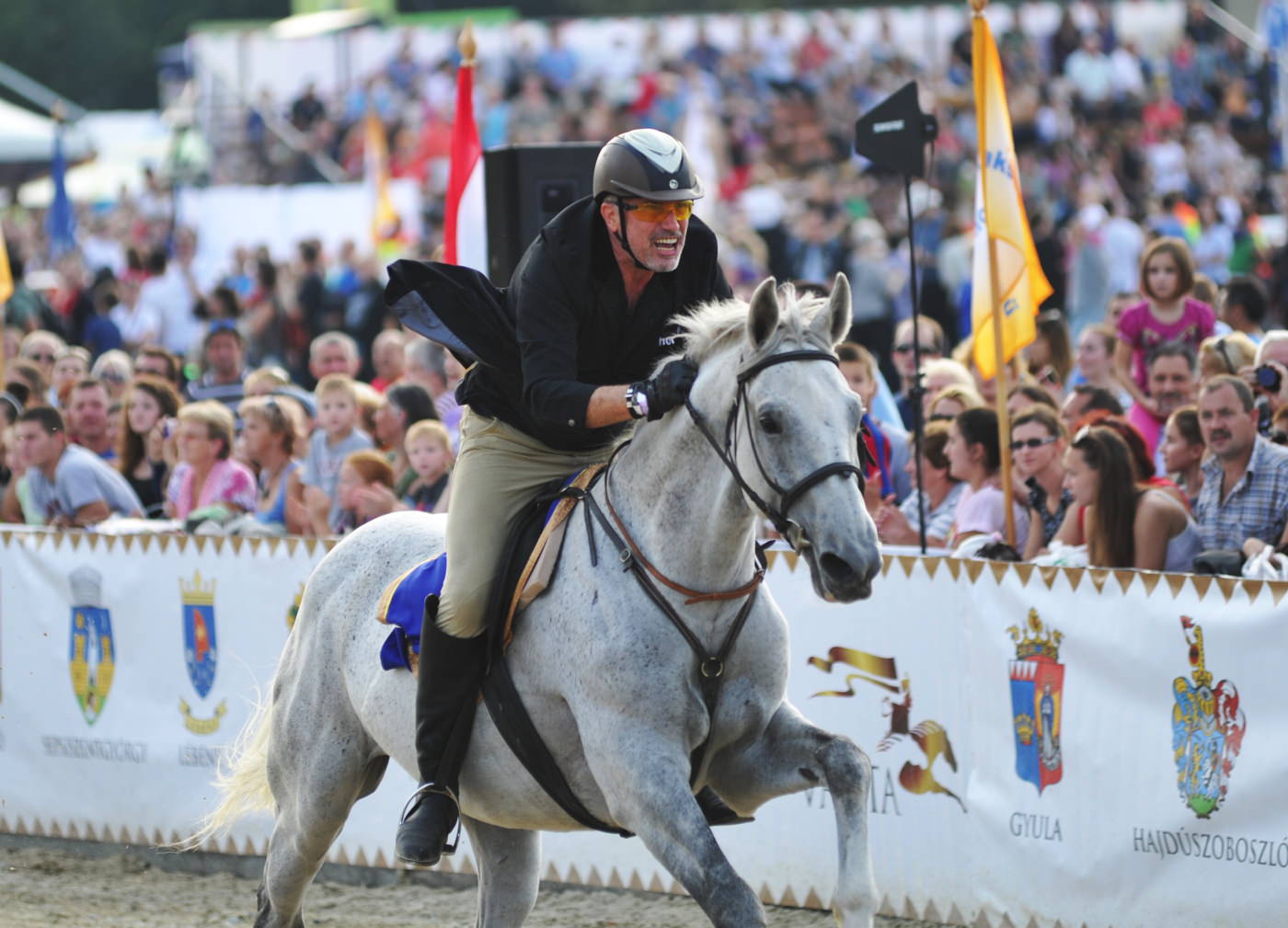
Az OTP Bank Jótékonysági Sztárfutam ismét nem okozott csalódást a nézőknek! A résztvevő színészek lelkesen és komolyan küzdöttek a győzelemért, ugyanakkor könnyedén és vidáman vágtáztak a pályán.
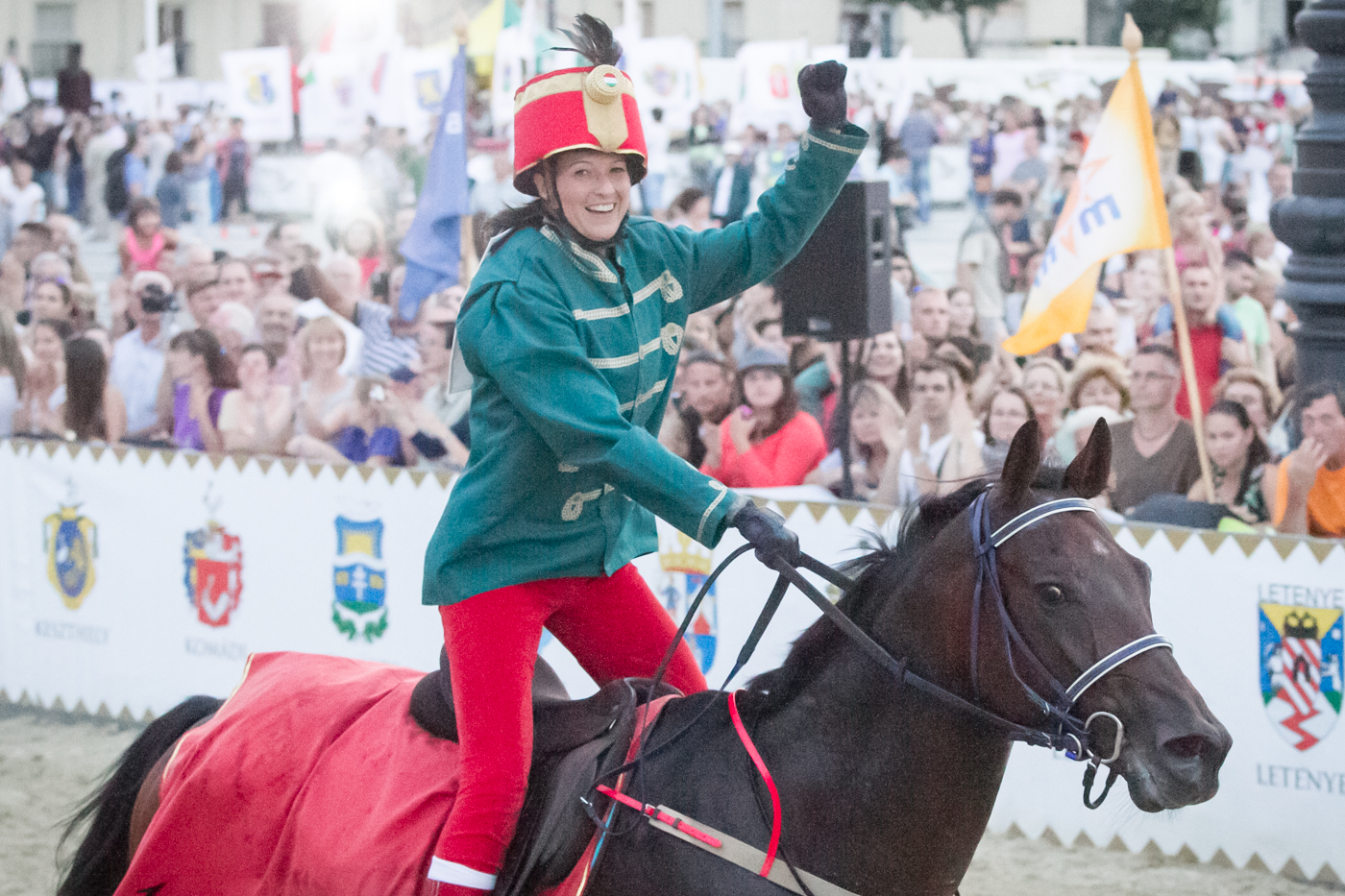
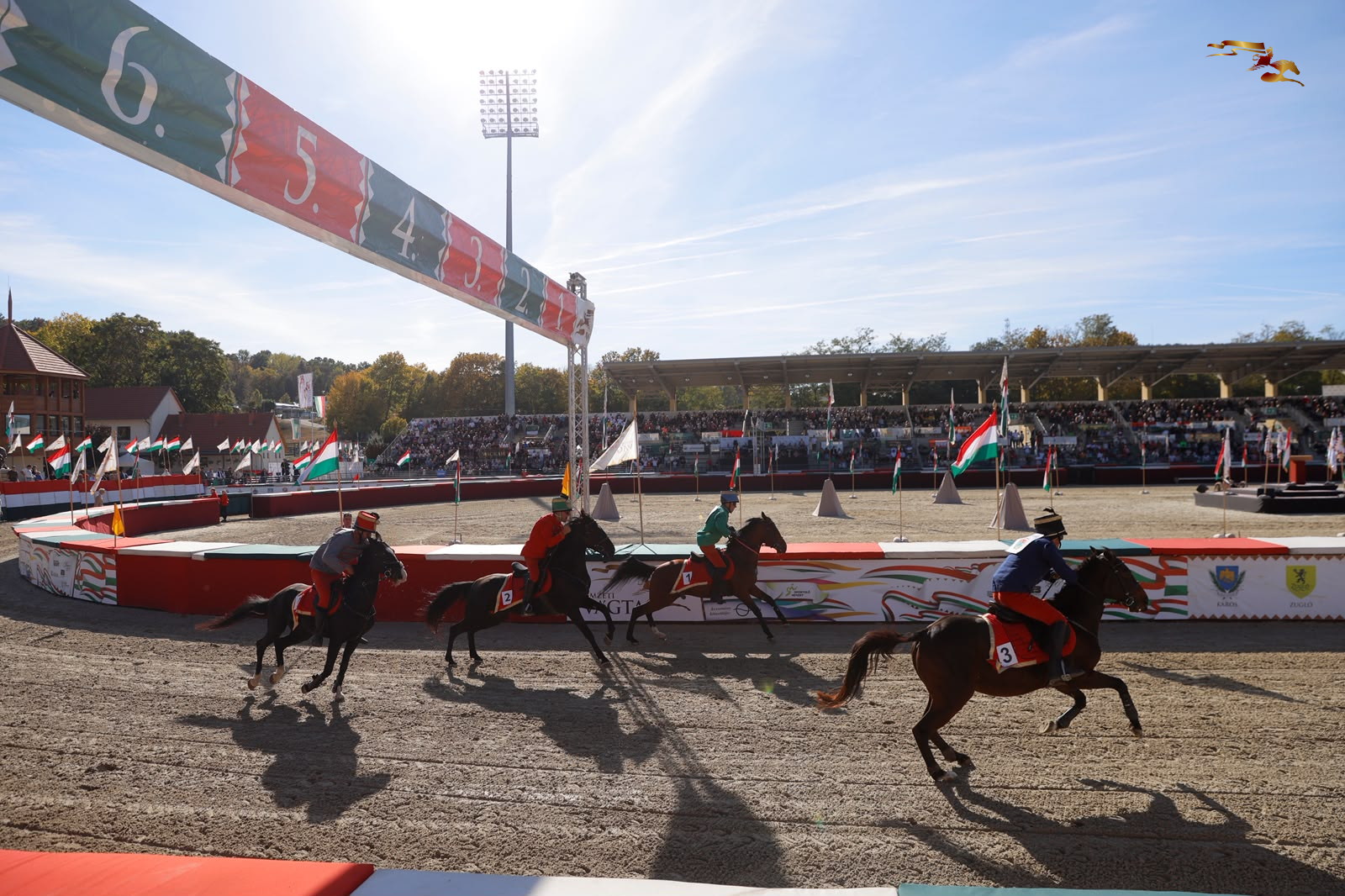
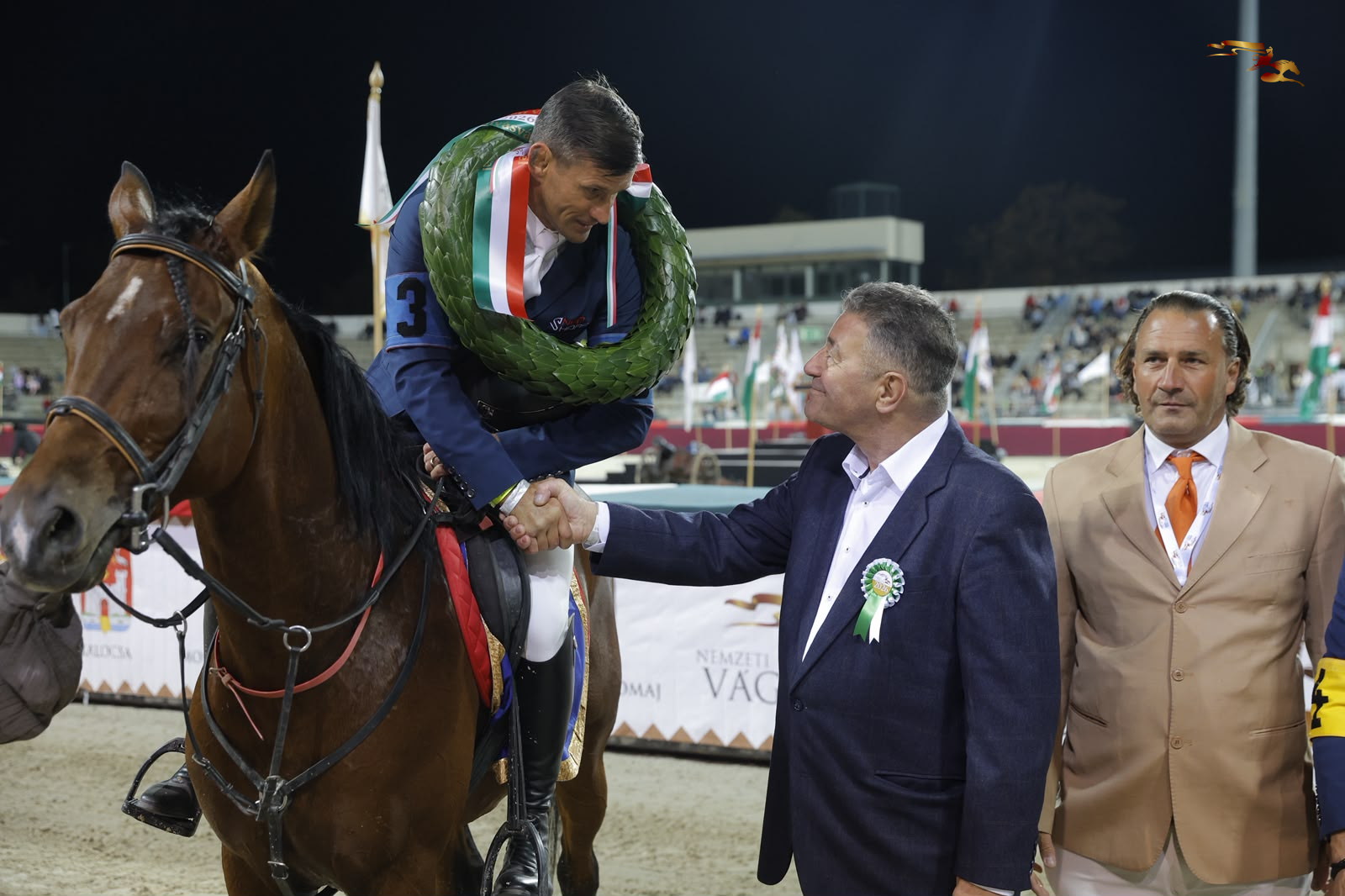
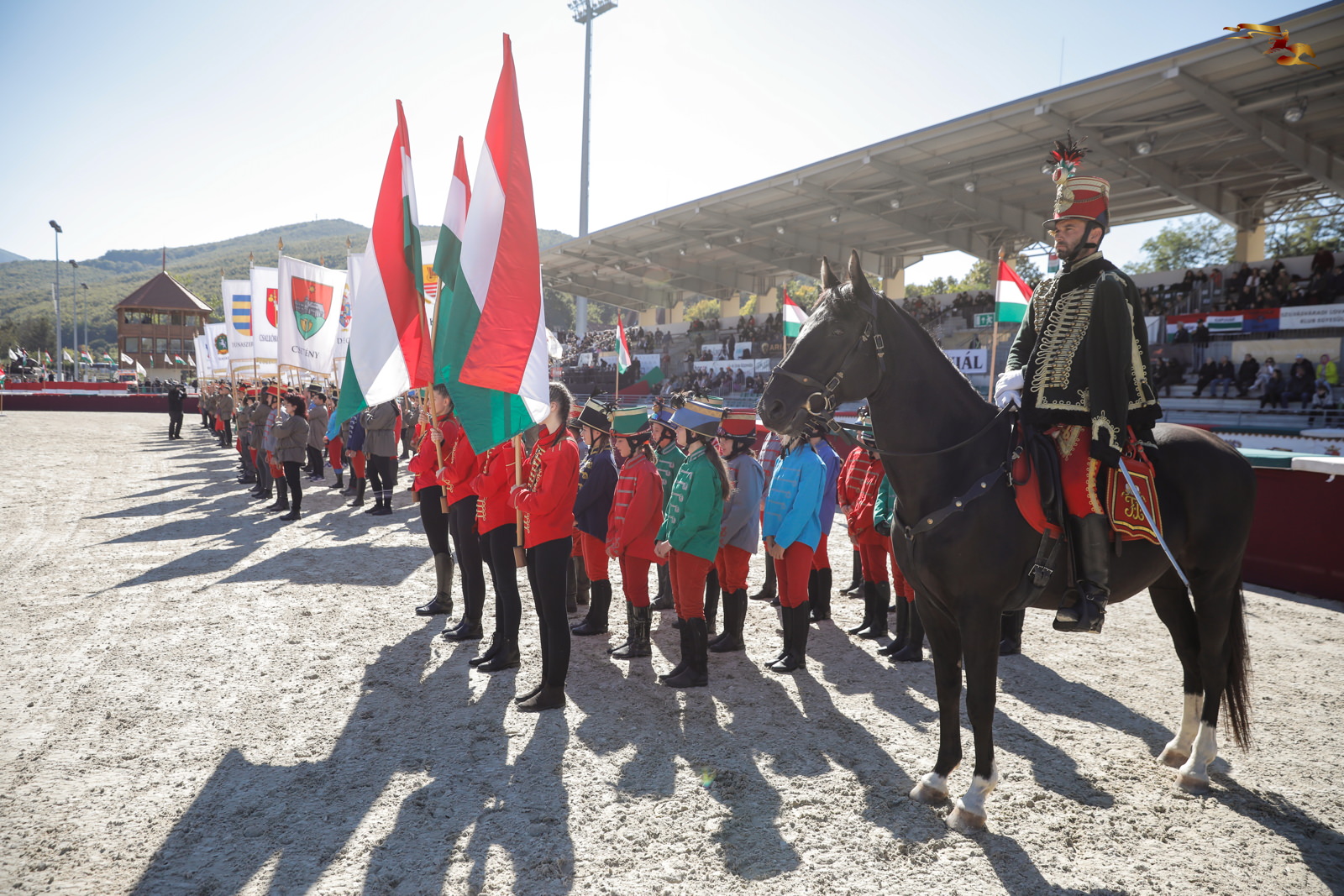
Izgalmakban és fordulatokban gazdag küzdelemmel zárult az idei Nemzeti Vágta! A rendezvényen rengeteg program, látnivaló, érdekesség várta a nézőket, versenyek, csaták, döntők követték egymást.
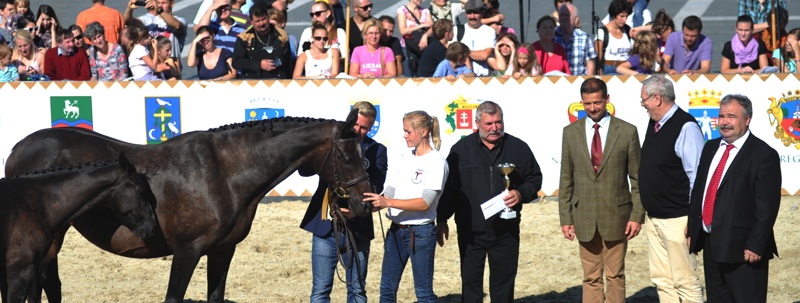
A idei Nemzeti Vágtán szeptember 21.-én került sor a Magyar Sportoló és Magyar Félvér Tenyésztők Országos Egyesületének, azaz az MSLT -nek a 2014. évi Csikó championátusára.
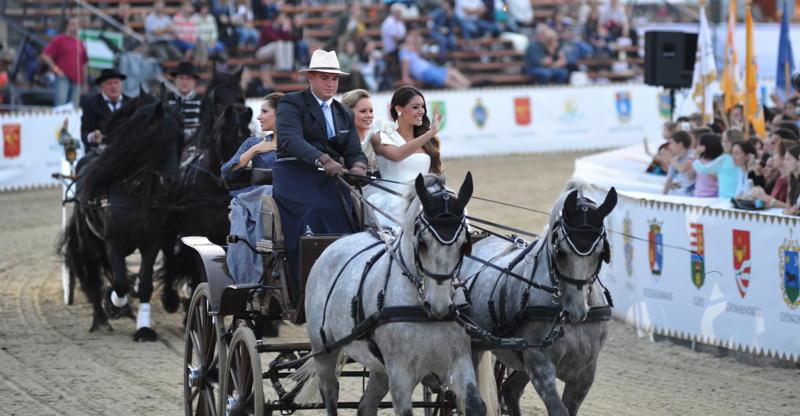
1791. szeptember 21-én, azaz 223 évvel ezelőtt született gróf Széchenyi István, akit Kossuth Lajos a „legnagyobb magyarnak” nevezett, s aki meghonosította Magyarországon a lóverseny - zést. Az ő nevéhez fűződik az első pesti lófuttatás is. A Nemzeti Vágta, mely időpontja idén egybeesik Széchenyi születésnapjával, tiszteleg a gróf előtt.
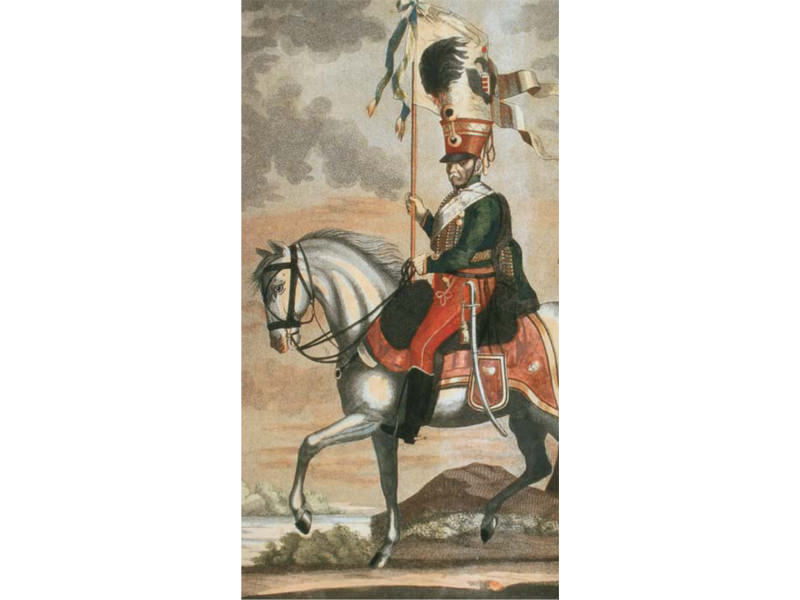
A 2014. évi Nemzeti Vágta történelmi arca a magyar huszárság legendás hírű alakja, a legöregebb szolgálatot teljesítő huszár Skultéty László strázsamester lesz.
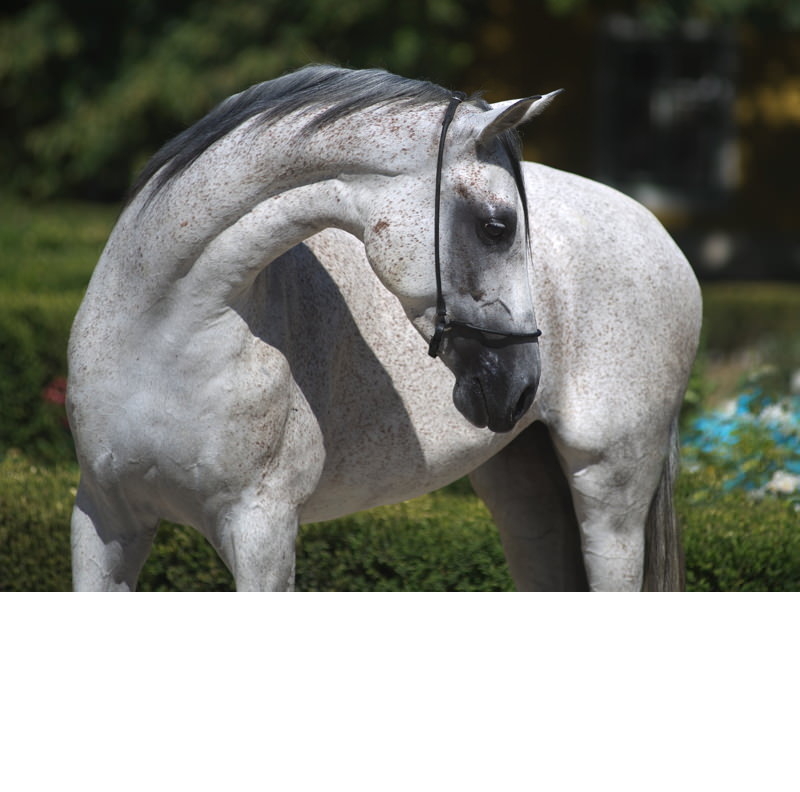
A második alkalommal megrendezésre kerülő PreVital Nemzetközi Futamban tizenkét ország versenyzője meghívásos alapon lép a pályára. A futamot színesíti, hogy a tizenegy külföldi és egy magyar lovas országuk tradicionális öltözeteit viselve nem saját, hanem sorsolás alapján egy magyar fajtájú, a Bábolnai Nemzeti Ménesbirtokról kapott saját tenyésztésű Shagya Arab magyar fajta lóval indul.
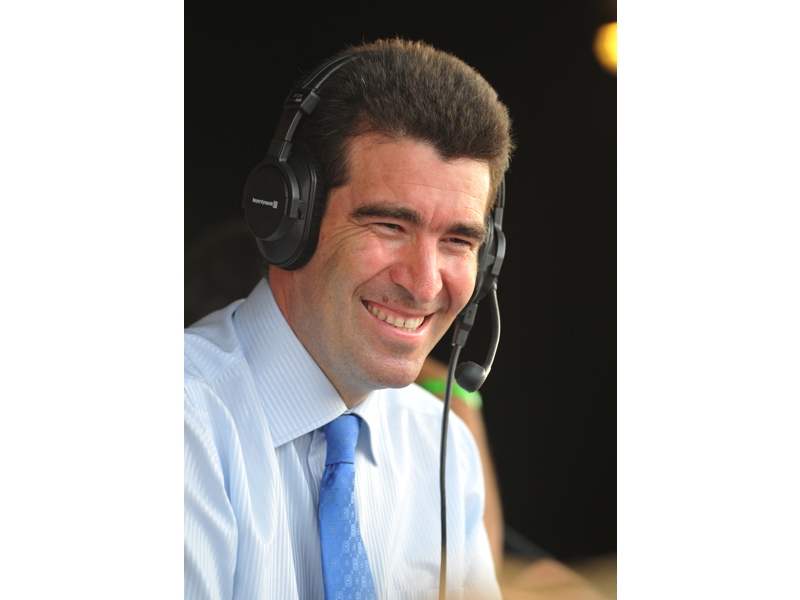
„Huszonéves szakmai rutin ide, vagy oda, minden egyes alkalommal ugyanúgy koncentrálok, készülök egy-egy versenyre! Könnyűnek tűnhet a feladatom, de az én dolgom az, hogy szakszerűen és a hallgatóság figyelmét folyamatosan fenntartva közvetítsem a pályán történő eseményeket.”
Gróf Széchenyi István üzenete a Nemzeti Vágtán résztvevő valamennyi lelkes szereplőhöz